
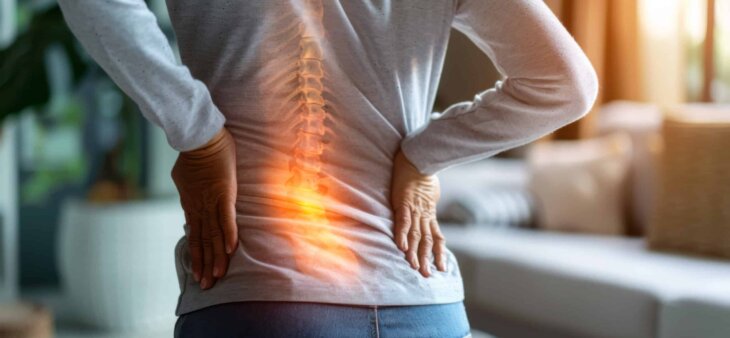
Scoliosis is more than just a curve in the spine—it can affect your posture, comfort, mobility, and overall quality of life. While some cases are mild, others can lead to noticeable imbalances, chronic discomfort, and limitations in daily activities.
At Spine Correction Center of the Rockies, we help patients understand their condition and explore effective, non-invasive treatment options designed to improve spinal alignment and restore comfort. If you or a loved one has been diagnosed with scoliosis—or suspect you might have it—here’s how treatment can make a meaningful difference.
What Is Scoliosis?
Scoliosis is a condition where the spine curves sideways, often in an “S” or “C” shape. It can develop in children, teens, or adults and may progress over time if left untreated.
Common Signs of Scoliosis:
- Uneven shoulders
- One hip higher than the other
- A visible curve in the spine
- Uneven waistline
- Leaning to one side
Some individuals may not notice symptoms right away, while others experience discomfort or changes in posture.
How Scoliosis Affects Posture
Your spine plays a central role in maintaining balance and alignment. When it curves abnormally, it can throw off your entire posture.
Effects on Posture Include:
- Slouching or leaning
- Uneven distribution of weight
- Muscle imbalances
- Strain on joints and ligaments
Over time, poor posture can contribute to fatigue, discomfort, and reduced mobility.
The Impact on Daily Comfort
Scoliosis doesn’t just affect how you look—it can also impact how you feel throughout the day.
Common Comfort-Related Symptoms:
- Back or neck pain
- Muscle tightness
- Fatigue from compensating for imbalance
- Difficulty standing or sitting for long periods
- Reduced flexibility
These symptoms can interfere with everyday activities, from working at a desk to staying active.
How Scoliosis Treatment Helps
The goal of scoliosis treatment is to improve spinal alignment, reduce discomfort, and prevent the condition from worsening.
At Spine Correction Center of the Rockies, we focus on non-invasive, personalized care that supports your body’s natural function.
1. Improving Spinal Alignment
Targeted treatments can help correct or reduce the curvature of the spine, promoting better alignment and balance.
2. Enhancing Posture
As alignment improves, posture naturally follows. Patients often notice they stand taller and feel more balanced.
3. Reducing Pain and Discomfort
By relieving pressure on muscles, joints, and nerves, treatment can help reduce chronic pain and tension.
4. Increasing Mobility and Flexibility
Scoliosis can limit movement, but proper care can restore range of motion and make daily activities more comfortable.
5. Preventing Progression
Early and consistent treatment can help slow or stop the progression of scoliosis, especially in younger patients.
Non-Invasive Treatment Options
Every case of scoliosis is unique, which is why treatment plans are tailored to each patient’s needs.
Common Approaches May Include:
- Spinal adjustments to improve alignment
- Corrective exercises to strengthen supporting muscles
- Postural training and guidance
- Therapies to reduce muscle tension and improve flexibility
These methods work together to support long-term improvement without surgery.
What to Expect During Your Evaluation
Your journey begins with a comprehensive evaluation to understand your spinal health and the severity of your condition.
Your Visit May Include:
- Review of your medical history and symptoms
- Postural and spinal assessment
- Identification of curvature patterns
- Development of a personalized treatment plan
Our team focuses on creating a plan that fits your lifestyle and goals.
Supporting Better Posture at Home
In addition to professional care, there are steps you can take to support your posture and comfort:
- Practice good sitting and standing posture
- Stay active with gentle stretching and strengthening exercises
- Use ergonomic furniture when possible
- Avoid prolonged periods of inactivity
- Follow your provider’s recommendations consistently
Small daily habits can make a big difference over time.
When to Seek Treatment
If you notice changes in your posture or experience ongoing discomfort, it’s important to seek an evaluation.
Signs to Watch For:
- Uneven shoulders or hips
- Persistent back or neck pain
- Visible curvature in the spine
- Fatigue during normal activities
Early intervention can improve outcomes and help prevent further complications.
Stand Taller, Feel Better
Scoliosis doesn’t have to control your comfort or confidence. With the right care, you can improve your posture, reduce discomfort, and enjoy a better quality of life.
At Spine Correction Center of the Rockies, we’re dedicated to helping you move and feel your best. If you’re ready to take the next step, schedule your evaluation today and start your journey toward better posture and daily comfort.
