
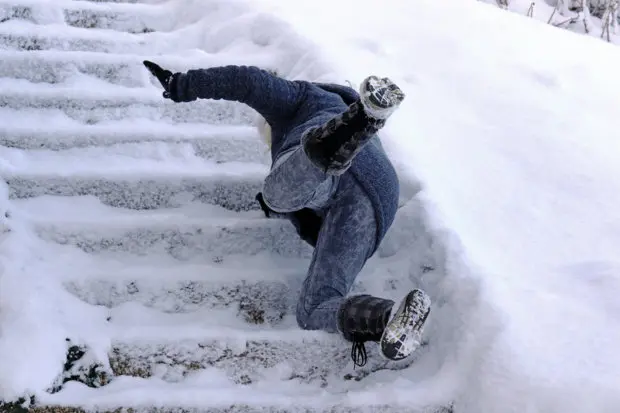
Wintertime often brings winter injuries to areas such as the head, back and shoulder. This can be due to slips and falls on ice as well as inside sports injuries, car accidents, shoveling snow and more. Snow and weather conditions are some of the main factors when it comes to serious winter injuries. Use these tips to avoid injuries both at home and away!
Winter Injuries Are Very Common
The winter cold and elements tend to drive people inside during the cold months of the year. This is part of the reason that the amount of people with colds and flus rise, as more people are breathing the same air in compact spaces. Winter injuries also happen quite commonly.
The most common winter injuries that are seen year after year all have to do with the elements in some way. Temperatures drop, your muscles get colder and less able to move, and it’s harder to keep your grip on the ground. This is why the most common winter injuries include:
- Slips and falls on ice
- Car accidents and collisions
- Injuries during winter sports
- Muscle strains or back injuries
- Sprains, strains, tears and muscle injuries during outdoor sports and exercise
To avoid injuries at home, keep an ample supply or snow salt and place it all around the outside of your home and driveway where you walk.
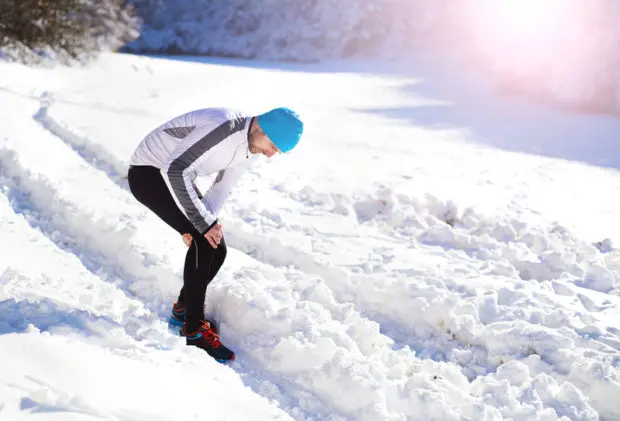
Back and Exercise injuries
Shoveling snow improperly is the #1 cause of winter injuries to the back. Snow can pile up and become very heavy. Snow shovels are also designed to pick up tons of snow with each shovel. You want to shovel snow as if you were lifting a box. Keep your legs shoulder-width apart and bend at the knees with each shovel stroke. Bend from your hips while keeping a straight back and use your legs to do most of the lifting. Don’t twist or turn too quickly. It only takes a second to strain a muscle or herniate a disc.
The cold makes your muscles tight. Try shoveling for a minute or two (or exercising for a minute or two) to get your muscles activated. Then, do some light stretching to loosen up muscles that now have blood pumping through them. This can help avoid strains and tears with exercise. If exercising outside, always wear shoes that grip well, go slow in the cold and take smaller steps. Do a warmup indoors to get muscles warm and to reduce the risk for injury and wear proper sports gear.
The American Academy of Orthopaedic Surgeons reported 88,000 winter injuries happened with skiing in 2015. That’s along with 61,000 from snowboarding, 50,000 during ice skating and 47,000 from sledding or snow tubing. Yikes!
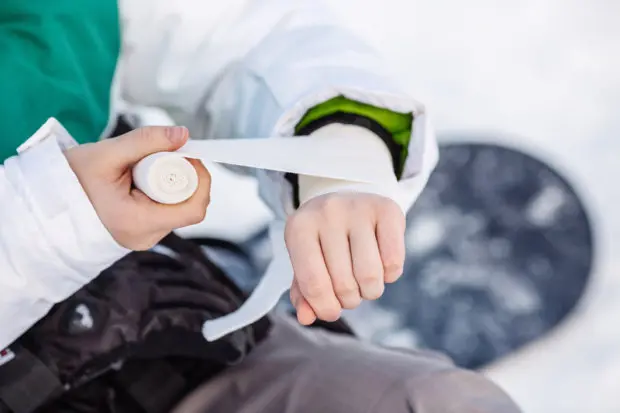
What You Wear Matters
Even though you stay bundled up in the winter, what you wear really does matter underneath your coat. Consider wearing a pair of snow boots until you get to the office, as dress shoes without good grip often lead to slips on the ice. Slips and falls can be fine, but it’s the impact that will hurt you. Patients that go into urgent care or emergency centers for winter injuries are recorded to have injuries from impact such as:
- Bruises and muscle tenderness
- Broken bones, especially to hips and wrists (from trying to catch yourself)
- Back injuries such as slipped discs, compression fractures or herniated discs
- Spinal cord injuries from hard spine hits or winter sports
- Concussions or head injuries, especially with extreme winter sports
Don’t let a quick fall end up costing you months of dealing with an injury! Check the weather before you travel for work or to run errands and wear snows made for icy and snowy conditions. You can always switch your footwear when you get to your destination.
Frostbite is also more common than you might think and it comes from simply not protecting your skin from the elements. Keep warm gloves and mittens (which are different) in your coat pockets or in the bag you are traveling with. Wear warm socks and protect your head, neck and face with warm hats, scarfs and something that covers your face. If you have a child, never go out in the cold with them unless they are bundled up, as they are at an even higher risk for winter cold injuries and frostbite.
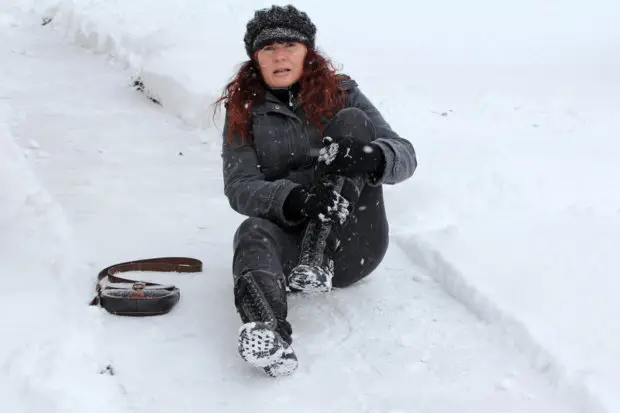
You’re Injured, Now What?
Sometimes, you know right away if you have injured yourself. Other times, you will feel the back pain or the neuropathy symptoms later in the day or the following day. If something feels off with your body, pay attention to what your symptoms are telling you. Do you have overall soreness from simply shoveling so much snow or do you have pain centralized in one area? Have you lost the ability to grip or move in certain ways? Overall soreness should fade within a few days. However, if you are injured, it will stick around because of inflammation (and likely swelling) in the injured area.
We see winter injuries all the time with our patients. Many don’t realize how common they are until they sustain one. At our center, we can help treat your back pain or injuries from slips, falls, overexertion, training in the cold and more. Our center is designed around natural therapies to rebuild your injuries muscles and tissues in the right way to get you back to your life quicker. With overexertion and shoveling snow, it’s easy to put the back out of alignment, causing intense pressure in the joints and muscles of your back. If you have back pain, see what our spinal decompression and chiropractic adjustments can do for you.
Do you have swelling in an area of your body? Ask about anti-inflammatory injections. For larger injuries we have spinal rehabilitation therapies and neuromuscular reeducation treatments. If you have become injured or feel that something is off after possible winter injuries, call Spine Correction Center of the Rockies today at (970) 658-5115 for your health evaluation!
