

Any type of threat or damage to one’s nerves may cause neuropathy, which most often lead to numbness and tingling in one of your limbs. Neuropathy over time can lead to permanent nerve damage, or a permanent condition you can’t get rid of. That is why seeing proper neuropathy treatment is so important. Learn what causes neuropathy and some methods to remedy numbness, tingling and chronic pain you feel!
Nerves in Your Body
Did you know that nerves are something you can see in the body? They look like thin, fibrous tissue lines that connect to your organs, tissues, bones, muscles, ligaments and more in the body. All of those nerve pathways hold millions and millions of cells that all take in information for the brain. Those cells are called neurons, and they transmit information that tells your brain about temperature, pain, how well you can feel, and many more aspects of whether your body is working correctly or not.
Studies show that there are over 100 billion nerve cells in the body. When you get injured in one part of your body, the nerves in that area will send electrical or chemical signals to the nerve cells (neurons) around them. That happens in the blink of an eye until that information hits your brain. It happens faster than you can imagine, which is why you pull back from a hot burner or react instantly from the first touch of pain.
Your nerves are amazing at connecting all part of your body and keeping information flowing to the brain. However, chronic conditions, ailments and injuries can cause neuropathy to set in either very slowly or rapidly.
What Is Neuropathy?
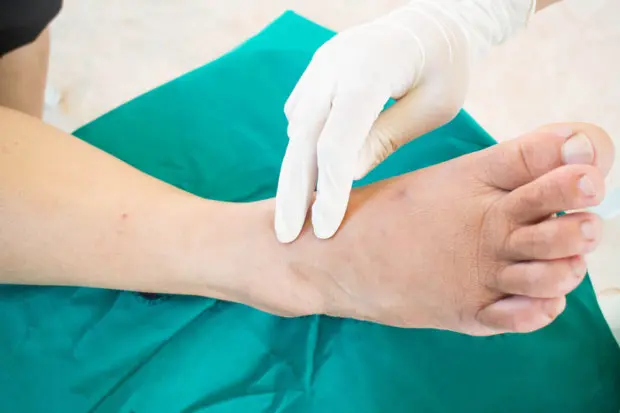
Neuropathy is a condition where nerves in the body have become damaged or are not responding like they should to neuron impulses. If you have neuropathy, then you have damage somewhere in your peripheral nervous system. The central nervous system is comprised of your spinal cord and brain. All other nerves in the body that branch out from the central nervous system are nerves in the peripheral nervous system.
Patients can have damage to an actual nerve when wounds and injuries happen. Nervous tissue that extends down the arm, for example, can be severed with a serious wound. All the nerve cells that were there, may then be permanently damaged. However, you can have chronic conditions, inflammation, swelling and other health issues place added pressure on nerves. For example, you may have arthritis. This causes inflammation in the joints. You may have joint pain, but you could have neuropathy from pressure being placed on your nerves and nerve cells.
But what is neuropathy exactly? It is essentially a loss of feeling or function of nerve cells from some sort of health issue either big or small. The most common symptoms of neuropathy include:
- Loss of feeling
- Numbness or tingling in the limbs or extremities
- Chronic pain in an area of the body
- Fatigue
- Weakness or tremors that wasn’t present before
- Stiff neck or back muscles
- Pins and needles feelings
- Burning or itching sensations
- Sharp, shooting pains, especially with movement
- Limited range-of-motion
- Headaches or migraines
- Inflammation and swelling in the knees, calves, shoulders and joint bones
- Foot and ankle pain
If you have any of these symptoms, consider having a health evaluation to see if you have neuropathy. When these symptoms continue for extended periods of time, permanent nerve damage or defect can happen. However, nerves are something that can heal, so these symptoms can go away with the right treatment.

Numbness and Tingling
Numbness and tingling are the most common symptoms of neuropathy for many patients, and they can happen to any of your nerves. You have many nerves that have different tasks. Nerves may contain motor fibers that innervate the muscles, sensory fibers that provide sensations, receptor nerves that sense your environment and neurons that solely send messages between other neurons. Any of these can become damaged or they may stop sending signals if too much pressure is placed on them.
Numbness and tingling are most common in the hands and feet, and these are two common places for patients to have neuropathy issues. It all depends on lifestyle, injuries and if a patient has a chronic condition. Diabetic patients can have numbness and tingling anywhere that isn’t getting enough blood circulation and oxygen. Patients with arthritis can get it around any of their joints. Runners may damage small nerves in their feet that leads to pain or loss of feeling. However, the hands and feet are notorious for neuropathy issues.
Help for Neuropathy Symptoms
We never want neuropathy symptoms to go on for an extended amount of time. This can lead to permanent nerve damage. It is possible to achieve long-lasting remission of symptoms or a substantial reduction of pain through non-invasive therapies. For our patients, we offer neuromuscular re-education, vibrational traction and chiropractic correction. All of these therapies train the brain and the nerves to function better. They all work to help boost circulation and feeling to areas of your body with neuropathy. The right neuromuscular training, adjustments through chiropractic care and muscular stimulation with vibrational traction can help heal damaged nerves.
Over 20 million people suffer from neuropathy in the United States. You don’t have to be part of that number. If you notice that you have any of the mentioned neuropathy symptoms, have a health evaluation. You never want permanent damage to set in when some simple treatments could correct your nerve issues. To have that health evaluation and custom treatment plan, call Spine Correction Center of the Rockies today at (970) 658-5115!
