

Do you have daily health symptoms that aren’t exactly chronic, but are bothersome? Too many people eat diets that are poor in nutrition. Nutrient deficiencies—or not getting enough of key nutrients you need—lead to problems such as ongoing fatigue, constipation, irritability, depression, a poor immune system and more. Find out why nutrients are so important to your diet and what happens when you have nutrient deficiencies!
What Is a Nutrient Deficiency?
The human body needs a specific set of vitamins and nutrients each day in order to thrive and to work properly. In the past, people relied on farming to feed their families, and had a diet full of vegetables, fruit, meat and grains. However, the common form of food for many families today include on-the-go, processed and sugary foods, plus fast-food in abundance. Many of these foods may seem to fill you up, but they lack many of the body’s essential nutrients.
Your body needs specific nutrients in order to build cells, repair damages, create energy, synthesize your food and much more. Those nutrients include: fats, carbohydrates, proteins, vitamins, minerals and water. The body also needs fiber to keep the digestive tract moving, which is found in fruits and vegetables. Fats are used as energy by the body and increases your vitamin absorption. Healthy fats from oils help your development and growth. Carbohydrates are your body’s main energy source, and without them your body would not function. However, proteins are also an energy source, but they are also responsible for structuring cells, building tissues, and repairing damages in the body.
The vitamins and minerals you get from foods are responsible for specific tasks in the body. For example, vitamin C helps immune system function and creates collagen, which structures blood vessels and tissues. Sodium helps the body maintain the right amount of water in all the tissues and cells. Each vitamin and mineral plays an important role. The body would not survive, however, without water. Water is so important because 65% or more of your body is made of water, which must be replenished each day. People should drink half their body weight in ounces each day to replenish that water. When you don’t get enough nutrients, you will start to suffer from nutrient deficiencies.
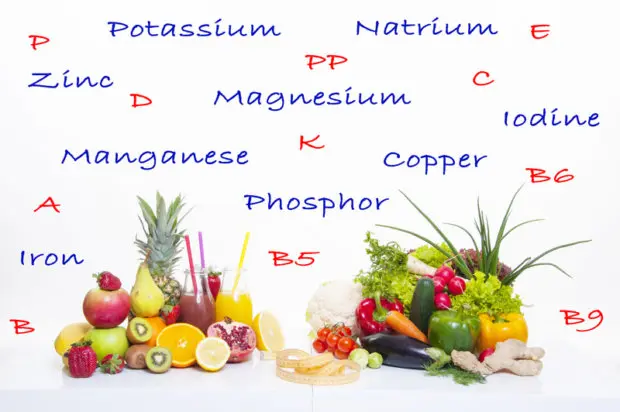
The Most Common Nutrient Deficiencies
There are actually very common nutrient deficiencies among regions and people. In the United States, some of the most common nutrient deficiencies include:
- Protein: The lack of protein hinders brain development and function. It also makes it harder for the body to repair itself and to build muscles and tissues. Protein must come through meats, dairy products, or supplementation because it is not created by the body.
- Iron: This mineral helps carry oxygen in the blood. Without it, people experience anemia, or not enough iron in the blood. This causes fatigue, weakness, poor immune system function and impaired brain function.
- Vitamin D: Few foods contain vitamin D, so you must get it through exposure to the sun. The skin absorbs it and transfers it to cells that need it. Deficiencies cause bone loss, weaker muscles, growth delays and an increased risk for fractures.
- Calcium: Found in dairy products, fish and vegetables, calcium builds your bones and teeth and is vital for your growth. A lack of calcium leads to stunted growth as well as brittle bones and problems with the heart, muscles and your nerves.
- Vitamin B12: This is only found in animal foods, so you must eat meat to get vitamin B12, which is required by all the cells in the body. It helps your brain and nerves function and you must have it for blood formation.
- Magnesium: This is a trace mineral that is needed in the body to build bone and teeth structures. People with chronic diseases like diabetes and osteoporosis are generally deficient in magnesium. A deficiency can cause muscle cramps, fatigue, frequent migraines, irregular heart rhythms and more.
- Vitamin A: Many people in the U.S. get vitamin A through healthy foods. A deficiency can cause eye damage, blindness, poor immune system function and increased mortality. This is because vitamin A makes your eye pigments and is vital to keep you skin, bones, cells and teeth intact.
What Else Can Happen?
Those nutrient deficiencies listed above are only the most common nutrient deficiencies. There are 13 vitamins total that your body needs. There more than that for major minerals you need like phosphorus, potassium, sodium, chloride and more. Without getting enough proteins, carbs, fats, water and vitamins and minerals, you can get symptoms such as:
- Chronic fatigue
- Constipation or reoccurring diarrhea
- Aches and pains for no other cause
- Fluctuating blood sugar levels
- Low oxygen in your blood
- Irritability, depression and mood disorders
- Brain fog, dizziness, headaches and migraines
- Daily heartburn
- Sickness due to a poor immune system
- Stunted growth
- Brittle or porous bones
- Weak teeth and body structures
- Slow healing
- Nerve degeneration
- Cardiovascular problems
- Thyroid disorders
- Worsening vision
- Skin dryness, rashes and inflammation
- Tooth decay and oral diseases
- Deformities, especially in infancy and childhood

Emphasis on Your Nutrition
With all these deficiencies, what can you do? First, make sure to swap out all your sugar or processed foods for real, nutrient-packed food. We are talking lots of vegetables and fruit throughout your day, dairy and meat proteins, and whole grains. There are also nutritional assessment tests provided by facilities such as ours. We also have food allergy and food intolerance testing methods that can find what foods react poorly with your body.
If you have negative health symptoms, getting enough nutrients and cutting out food allergies and intolerances can greatly improve your health. When you get enough nutrition, not only do you feel better and stay at a healthier weight, but you can live longer as well. For help with dietary needs or health problems you are already experiencing, call Spine Correction Center of the Rockies today at (970) 658-5115!
