
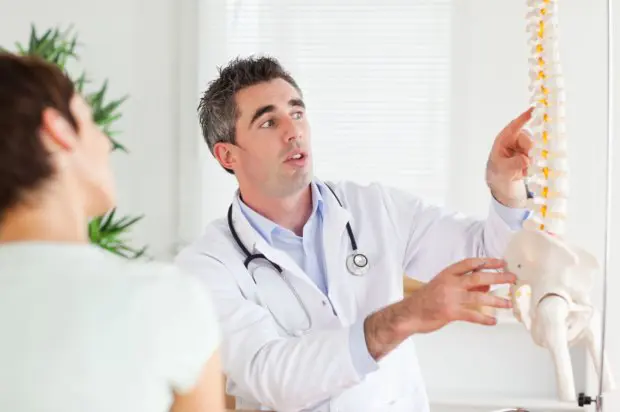
Spinal disc problems are one of the most common sources of back pain. The human body is made up of 33 bones that are known as the “vertebrae”. These are separated by spinal discs, nerves, and various other tissues to allow smooth movements with your back. There are 23 spinal discs total in your back, all of which can sustain an injury if you move wrong, have poor diet and exercise, have degenerative conditions and more. Here are some of the most common spinal disc problems and what you should do about them when they happen!
Spinal Disc Pain 101
Spinal disc problems affect thousands of Americans each day. Your spinal discs are rubbery pads between the vertebrae–the specialized bones that make up your spinal column. When these pad experience stress or injury, the inner material of the disc may swell, pushing through its tough outer membrane. The entire disc can become distorted or bulge in spots. Common disc-related problems include: scoliosis, degenerative disc disease, ruptured (or ‘slipped’) disc sciatica (nerve pain) and bulging/herniated discs.
Common Spinal Disc Problems

Some of the most common spinal disc problems are discussed below in more detail to help you understand your symptoms. If you are experiencing back pain, don’t self-diagnose. This information can help you understand what you may be feeling but only a medical professional can give you the information you need for precise treatment and effective therapy.
Scoliosis
When the spine curves sideways to the left or the right, the official name for the problem is scoliosis. This is a surprisingly common back problem that millions of children have been screened for over the last few decades. The curve can range from severe to mild, with symptoms and risks varying based on the cause. Spines of scoliosis patients often have an S or C shape to them on X-rays and other imaging tests.
Degenerative Disc Disease
The natural aging process doesn’t affect everyone the same way. While spinal discs are apt to show signs of wear and tear as years of use accumulate, they shouldn’t cause you pain. Spinal discs that have deteriorated enough to cause you pain are a symptom of degenerative disc disease.
Spinal discs absorb shock between your vertebrae (bones of your spine). They allow your body to bend and twist and stay pliable even into old age. However, as you get older, spinal discs can show signs of wear and tear. They begin to break down and just don’t function like they used to.
Herniated (Slipped or ruptured) Disc
Herniated discs are also very common spinal issues. They occur when one of the rubbery cushions (disks) between the individual bones (vertebrae) that stack up to make your spine malfunctions. “Sometimes called a slipped disk or a ruptured disk, a herniated disk occurs when some of the softer “jelly” pushes out through a tear in the tougher exterior,” writes the Mayo Clinic.
Herniated disks cause nerve pain, weakness and/or numbness often in an arm or leg. However, sometimes there will be no symptoms from a herniated disk. The good news is, the majority of patients do NOT need surgery to correct the issue.
Sciatica
When an injury or strain leads to pressure on the sciatic nerve, you will end up diagnosed with sciatica. This nerve usually becomes irritated by a case of compression somewhere in the lumbar region of the spine. While many people mistakenly assume that this term refers to general back pain in that area, there are a range of specific symptoms that help sciatica stand out from other problems of the spine or nerves. Since the sciatic nerve is the longest one in the body, it can cause pain in a surprising range of locations.
Bulging Discs
Spinal disc herniation occurs when one of many causes leads to a tear in the fibers that make a ring around the outside of each disc. Inside this fibrous exterior is a softer interior that cushions the force of walking, running, and standing. This core can be pushed outside through the tear, much like a hernia pressing through a tear in the abdomen muscle wall. The nerves along the inside and outside of the spine often react very strongly to the increased pressure and reduced support of a damaged disc.
To diagnose bulging discs we need to conduct a complete medical history, and confirm the bulging disc through MRIs, CT scans, and/or X-rays.
Spinal decompression therapy is one of the components of our program that gives us these great results, often meaning you will not have to undergo risky, expensive surgeries. Combined with exercises, botanical injections , chiropractic manipulation, and active body orthotics we are able to get results where so many have failed.
Spine Correction Center is one of few integrated clinics to offer spinal decompression therapy in Fort Collins or Colorado. Call now for a FREE Consultation, (970) 658-5115, or simply contact us here. Consultations can be done online, via the phone, or in person.
